Ethnic minority organ donations increase despite a drop in number of transplants
Ethnic minority organ donations increase despite a drop in the number of transplants
- The number of ethnic minority deceased donors increased by 9%
- The number of ethnic minority living donors increased by 13%
- The number of transplants in people from ethnic minority backgrounds decreased
- Consent rate was 35% for ethnic minority potential donors last year
Organ donation among people from ethnic minority backgrounds increased last year, but the number of people from these communities’ receiving transplants fell slightly.
According to the latest Annual Report on Ethnicity Differences in Organ Donation and Transplantation, in 2024/25 there were 96 deceased and 144 living donors from ethnic minority backgrounds – increases of 9% and 13% respectively. However, 1,201 people from these communities received a transplant, down from 1,233 the previous year. This is due to the fact that 80% of all transplants in people from ethnic minority backgrounds come from white donors and the number of these also dropped by 10% last year.
As of March 31, 2025, 2,526 people from ethnic minority backgrounds were still waiting for a transplant, and almost a third of the total waiting list for a kidney is made up of ethnic minority patients.
Given that kidneys are matched by blood group and tissue type, there is a better chance of not only finding a suitable match from a donor of the same ethnicity, but better outcomes for the patient. And people from ethnic minority backgrounds wait longer for a transplant than their white counterparts – due in part – to the lack of donated organs from people of the same ethnic background. Currently, 61% of Asian and 46% of black kidney transplant recipients receive an organ from a living donor of the same ethnicity.
Sehnaz's story of waiting for her live-saving kidney...
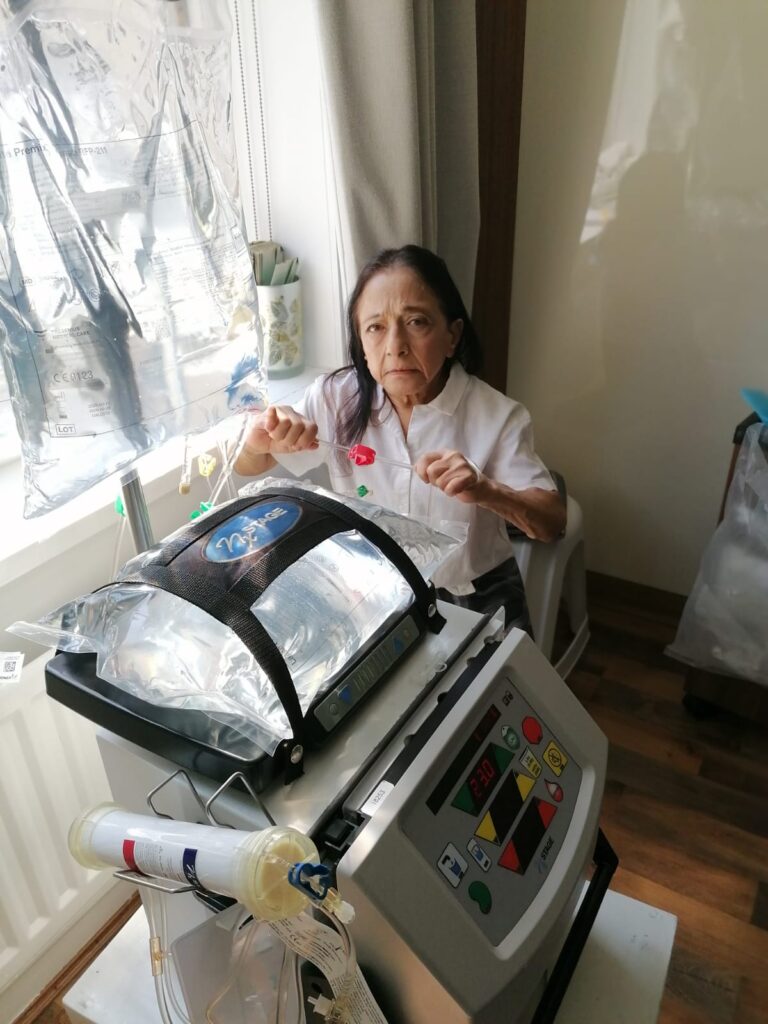
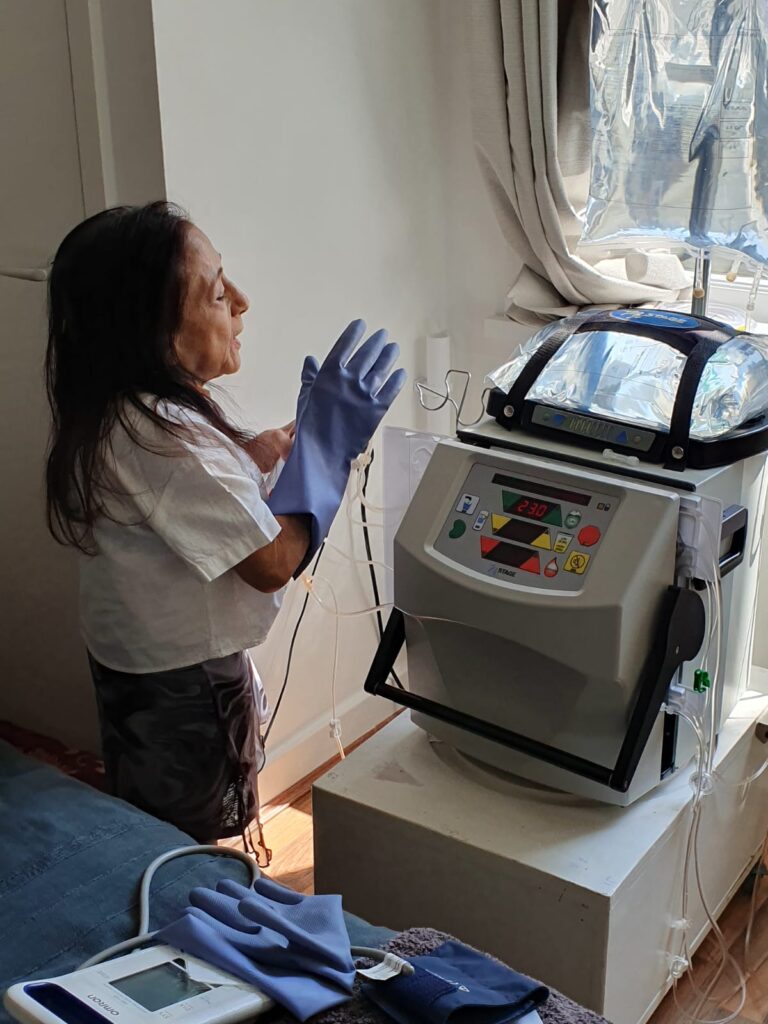
At just 25kg, Sehnaz endures five seven-hour dialysis sessions every week from her home. Her kidneys failed in 2007, and she’s been on the transplant register for 15 years, with no suitable deceased donor found. Her best and now only hope? A living donor.
Sehnaz’s case is medically complex; her body has developed high levels of antibodies that make finding a match virtually impossible through deceased donation. Thanks to recent medical advancements, she is now eligible for a transplant through desensitisation treatment… if a living donor steps forward.
“I’ve held on all these years hoping for a call,” says Sehnaz. “Knowing a living donor could give me a second chance – that’s a light I haven’t seen in a long time. A day on dialysis is what most people feel like after a full day’s work. It’s a full-time job just staying alive.”
She continues, “There’s a misconception that people with kidney failure can live well on dialysis, and being a living donor is ‘a big ask’. Yes, it is a big ask. But with the right information, it can be the most life-giving gesture a person can make.”
But Sehnaz is much more than her illness.
She’s a talented artist who’s spent her life defying expectations. Art became her refuge and her rebellion, a way to express herself in a world that often didn’t know where she fit. Despite the physical challenges posed by her health, Sehnaz refused to give up her dreams of art. She pushed through health setbacks, societal expectations, and cultural barriers.
At just eight years old, she travelled alone from Zambia to Britain to live with her sister in Leicester, in search of better medical and educational opportunities. That journey marked the beginning of a life shaped by strength and independence, a journey that, decades later, still finds her waiting for a kidney.
Would you like to find out more about living-kidney donation?
You can head over to our living kidney resources, whether you want to know more about becoming a potential donor, or you are in need of support and want us to advocate for you or a loved one who also needs their match, start your journey with the ACLT today.